

Author’s Note: This lightly edited version first appeared on Mad in the UK, republished here with permission. This is a continuation of Part I.
Strange Bedfellows
All that I observed from 2020 onward was a puzzling phenomenon I could not make sense of until I came across a 2024 essay in Minding the Campus (MTC) entitled “DEI Hasn’t Died: The Rise of Neurodiversity and Multigenerational Diversity” written by Wenyuan Wu. Now, I do not plan to enter the debate here about whether Diversity, Equity, and Inclusion (DEI) programs are worth saving or not—or whether “neurodiversity” is a term worth keeping or not.
What I want to argue is that the extremely controversial biomedical model of mental disorder has now been co-opted and swallowed up even more thanks to those who embody and promote CSJ-like ideologies—most likely without knowing the controversial history and contemporary issues surrounding psychiatric diagnoses, as most of the public seemingly doesn’t—as another way to buttress their identities with psychiatric labels.
I contend that this has made the biomedical model much more difficult to dislodge from its reign of supremacy as well as muddied the critical literature waters and public discourse even more. For example, a “progressive radical” in this regard, such as myself (or at least I thought I was), would say we need to reject the mental disorder model outright and consider alternatives. But now others who I thought were my ilk are giving it full-throated endorsements as they make psychiatric labels a part of their identities in very public, sometimes authoritative ways.
Enter Neurodiversity
Recall al-Gharbi contending that symbolic capitalists can be those who adopt marginalized identities (e.g., neurodivergent, disabled) as a way to position themselves as allies of disadvantaged groups in order to maintain elite status, gain moral authority, and social leverage. Fenton also reminds us that in the power and privilege wheel, disabilities and the like are on the outer reaches of the wheel, distant from the inner center comprising power and privilege.
And so, this here is where I believe a key socio-political pivot has occurred: whereas many of us have critiqued the idea of “mental disorder” itself and have gone at length to suggest we should reject it, people of the CSJ ethos have paradoxically appropriated and reclaimed psychiatric disability and mental disorder as something—another identity marker—needing to be leveraged in order to rebalance the power and privilege scales. I would argue this to also likely be the resultant of CSJ converging with “critical disability studies,” an offshoot of the “social model of disability.”
Whereas many of us have critiqued the idea of “mental disorder” itself and have gone at length to suggest we should reject it, people of the CSJ ethos have paradoxically appropriated and reclaimed psychiatric disability and mental disorder as something—another identity marker—needing to be leveraged in order to rebalance the power and privilege scales.
Timimi suggests that neurodiversity has become increasingly fused with identity politics and culture wars, pointedly stating:
The move to identity politics, and the desire to be seen in the culture wars, is a feature of much of today’s left politics. Establishing visibility and entryism into the capitalist order for a smorgasbord of minorities becomes the focus. Neurodiversity campaigners could now show their revolutionary prowess by shaking their fists against neoliberal, white, heterosexual, ableist men, and they could now add neurotypical to that list.
It is within the ideology that creates such fractured, superficial identities that we discover the same superficial labelling acting as an escape from this torment, reimagining that we are made whole again by the latest consumable we’re encouraged to identify with. But this creates communities who are brought together because of something they believe about themselves and which excludes those who are not like them. Binaries that you are either ‘neurodiverse’ or ‘neurotypical’ are created, but also disassembled to create sub-products as found in the dizzying numbers of gender identities on offer.
Elsewhere, it has similarly been argued that the use of “white” and “BIPOC” labels contingent on questionable categories of “race” has resulted in a dichotomous balkanization of people, also a critique of CSJ and its contemporaneous “anti-racist” practices. Upon further reflection, I contend that a similar phenomenon is afoot: that of the “neurodiverse” versus the “neurotypical” false dichotomy, also contingent on questionable categories of mental disorder.
Wu continues by suggesting that “[i]nstead of the overt focus on race and gender representation, a new trend of rebranding is emerging.” She adds that:
To stave off public scrutiny, DEI’s snake-oil salesmen constantly reinvent the grift with new terms and euphemisms…[Z]ealots have engineered innovative vehicles to perpetuate the ideology. “Neuroinclusion” or “neurodiversity” is an umbrella concept for accommodating individuals with developmental and learning disabilities such as autism and ADHD. The concept describes different ways people’s brains may work, whereas there is no “correct” way and we must encourage these differences.
Cromby and Johnstone, in a recent critical review of the term neurodiversity, observe:
Both neurodiversity and neurodivergence are broad, flexible concepts with considerable variation in the range of conditions they are said to include. One organisation lists ‘Autism Spectrum Disorder (ASD), Tourette’s, Attention Deficit Hyperactivity Disorder (ADHD), Dyslexia and Parkinson’s’. Alternately, an NHS Trust in England suggests ‘Autism, ADHD, ADD, Dyslexia, Dyscalculia and Dyspraxia’. And in the USA, the Cleveland Clinic offers an even wider variety of diagnoses including Down’s Syndrome, obsessive-compulsive disorder, bipolar disorder and social anxiety disorder. Stretching the concept still further, it has even been suggested that neurodiversity should also encompass those diagnosed with brain injury, epilepsy, ‘schizophrenia’, ‘personality disorder’ and dementia.
To make matters more confusing, Timimi reminds us that ASD’s expansion:
to include geniuses like Einstein (yes he has been given a retrospective diagnosis of ASD), thereby spanning the whole spectrum of intellectual ability, has seemingly happened without a raised eyebrow in the academic circles studying it…I am aware that there are many critics of the medicalisation of autism, but who, unlike myself, see autism through a story of “neurodiversity” and have done many positive things to help empower some people who have been given the autism label, enabling them to accept, rather than struggle against, who they are. I acknowledge and value the courage and insight these activists have. But I struggle with the “neuro” bit of “neurodiversity”—the evidence just isn’t there. We are all neuro-diverse, so as a concept it’s meaningless in a biological sense. As a cultural construct it creates unnecessary divisions, eroding the multiplicity that makes up our mental lives and may trap people back into pigeonholes rather than free them from stereotyping.
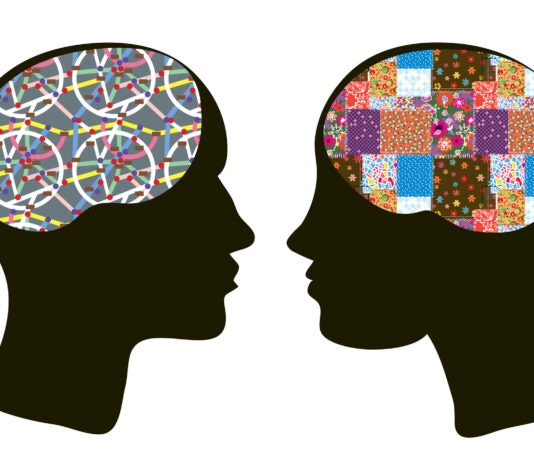
To be sure, the aims of the neurodiversity movement are admirable as they are still (somewhat) pushing back on the medical model, instead suggesting that “many conditions described as disorders are therefore more accurately seen as neurodivergent differences with potentially positive aspects” and “neurodiversity treats forms of neurodivergence as enduring and pervasive differences in being human.” That is, a person’s “symptoms” could be better seen as characteristics that not only do not necessitate being “treated,” but can be seen simply as a clash with the culture’s norms—a view I mostly agree with.
However, to quote Cromby and Johnstone at length again, here is where I believe the forest is being missed for the trees:
Confusingly, though, many people who identify as neurodivergent do use psychiatric diagnostic labels to describe themselves. Many of them are not against psychiatric diagnosis as such; rather, they are opposed to a particular, medical understanding of diagnosis. In fact, faced with long waiting lists at Autism and ADHD clinics, a growing number are claiming the right to ‘self-diagnose’. In addition, some describe themselves as ‘disabled’ in a sense that seems to go beyond the disability movement’s meaning of the term. This leads to debates about the equivalence of different types of ‘disability’—awkwardness in social situations, for example, versus using a wheelchair or recovering from a stroke.
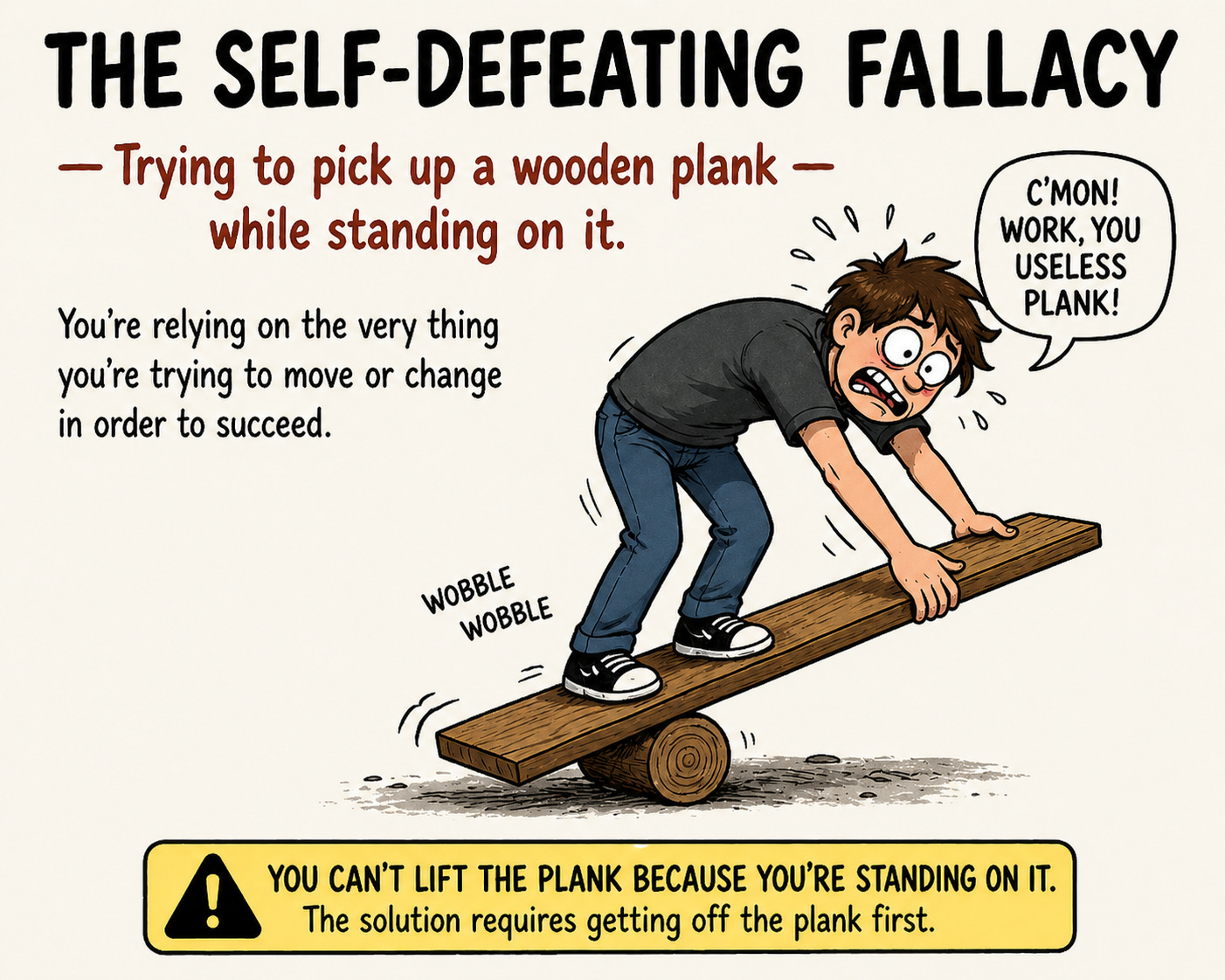
And so, while recognizing the harm that the contemporary biomedical model of mental health can inflict on the people it is intending to help, this movement is essentially trying to pick up a wooden plank while standing on it, using the same medicalizing and pathologizing labels to somehow de-medicalize and de-pathologize their experiences.
Timimi asks, “If it’s a disorder it needs diagnosis and treatment. If it’s a difference it needs acceptance and inclusion (but still needs diagnosing). Is there a bit of cake and eating going on?” Relatedly, I contend that this is why we will never rid the stigma associated with distress when it’s accompanied by mental disorder labels—but only when we rid ourselves of the labels themselves.
“If it’s a disorder it needs diagnosis and treatment. If it’s a difference it needs acceptance and inclusion (but still needs diagnosing). Is there a bit of cake and eating going on?”
Despite (failing at) sidestepping medical trappings of psychiatric labels, I’d argue this CSJ-neurodiversity movement is in fact subscribing to a philosophical position we can call reconstructionism—that is, the idea of “mental disorder” is worth revisiting and revising in order to keep it for particular social justice aims—as opposed to eliminativism/abolitionism—that is, any notions about “mental disorder” should be discarded/resisted/opposed.
Reconstructionism is effectively giving permission for people to engage in othering, stigmatization, pathologization, medicalization, essentializing, et cetera: aren’t these kinds of mistreatments contingent or predicated upon the existence and use of these categories? This is what is meant by trying to lift a wooden plank while standing on it: we’re being met with resistance because of the inherent historical and contemporary trappings “mental disorder” is inseparably bathed in. Instead, we should heed what Timimi suggests when he states that “taking something that is defined as a medical condition…brings along dangers when expanded rather than challenged as a notion.”
However, as the neurodiversity movement coupled with CSJ-like ideologies continue subscribing to and promulgating reconstructionism about so-called mental disorder, psychiatric identity markers and related categories, this makeshift coalition can be seen continuing to swallow up more and more of the everyday human experience and struggles (“In the name of social justice.”) while bringing everyone else along for the ride. Of note, Haslam’s ideas about “horizontal” and “vertical” forms of concept creep expansion are illuminating in this regard, especially to help make sense of Cromby and Johnstone’s observations of how more labels and different kinds of disabilities are seemingly falling under the neurodiversity umbrella term. (See his 2016 article entitled “Concept creep: Psychology’s expanding concepts of harm and pathology.”)
My Plea
It is the writer’s duty to tell the terrible truth, and it is a reader’s civic duty to learn this truth.
-Vasily Grossman
What I wish this faction from this side of the aisle would be more aware of (and anyone from any political leaning, for that matter, who identifies strongly with their psychiatric labels) is how not only are they proudly identifying with extremely controversial, contested, and oppressive labels, but they are complicit in the ongoing medicalization, pathologization, and decontextualization of understandable human suffering and difficulties. As Whooley observes:
Faced with madness, we bury our heads and willingly pass off the problem to psychiatrists so we need not confront the challenges it poses. But well-founded criticisms of psychiatry should not distract from our collective culpability and our societal apathy. It is wrong to pin all of our failings on psychiatry.
Similarly, Rosenberg has suggested the following:
But there remains a historical irony. We are in a moment of peculiar and revealing paradox, a complex and structured mix of reductionist hopes and widespread criticism of such sanguine assumptions. As a culture we are relentlessly reductionist in presuming somatic (and ultimately genetic) causation for behavior, yet at the same time we are reflexive, critical, and relativist in our approach to existing disease classifications and therapeutic modalities. We have never been more aware of the arbitrary and constructed quality of psychiatric diagnoses, yet in an era characterized by the increasingly bureaucratic management of health care and an increasingly pervasive reductionism in the explanation of normal as well as pathological behavior, we have never been more dependent on them.
The continued use of psychiatric labels and strong identification with them will paradoxically contribute to the ongoing medicalization, pathologization, and decontextualization of human distress—genuine social justice concerns and low-hanging fruit that certain left-wing activists and CSJ-like ideologies should be significantly concerned about, especially given the immense implications pertaining to power and oppression.
Elsewhere, it has been argued that social work (the discipline that makes up the largest segment of the mental health workforce in the US) professional organisations speak ad infinitum about being an anti-oppressive discipline, yet this particular biomedical model of mental health is seemingly ignored. In other words, to highlight the hypocrisy and performative nature of the field’s professional organisations.
Conclusion
Over a hundred years ago, the German poet Heine warned the French not to underestimate the power of ideas: philosophical concepts nurtured in the stillness of a professor’s study could destroy a civilisation.
-Isaiah Berlin
Only time will tell if the pendulum continues to swing over the next four years. Now identifying as politically homeless, it has been a curious thing to observe how factions of the left-wing party I used to identify with have swallowed up a model that quite clearly goes against their supposed progressive and anti-oppressive social justice values they claim to take seriously. It is similar to modern-day anti-racist activists using seemingly racist tactics to achieve their anti-racist aims—as it happens, also a tactic of a faction of the left-wing party, as McWhorter argues.
Lest I and observers in my camp get tagged as right-wing extremists (again, this essay has been a narrowed-in, concentrated critique concerning a phenomenon that even people from the same side of the aisle have taken issue with, it is also helpful to point out Cromby and Johnstone reminding us how, for example:
Micha Frazer-Carroll’s 2023 book Mad World warns about the entirely fictional danger posed by professionals who ‘follow in the tradition of the right-wing anti-psychiatrist Thomas Szasz’ and dictate ‘how Mad/Mentally Ill people must understand themselves’. This is a curious inversion of the real situation, in which it is psychiatry that routinely imposes its understandings on people. The ‘anti-psychiatrists’ and related groups like ‘A disorder 4 everyone’ fully support people’s right to make their own choices of understanding, including medical ones. The real problem is that most people are not offered this choice.
After all, when people within the ranks of the United Nations and eventually the World Health Organization (WHO) produce a damning report pointing out not only an excessive use of psychiatric drugs but also a need to move away from the biomedical model of mental health, perhaps this is a social problem that people from all walks of life irrespective of their political leaning can take seriously without a full-throated endorsement of the controversial biomedical model of mental health.
Arnoldo Cantú, LCSW is a clinical social worker and psychotherapist with experience in school social work, private practice, community mental health, and primary care behavioral health seeing children, adolescents, families, and adults. Cantú was born in Mexico and considers Texas home having grown up in the Rio Grande Valley, though currently resides in the beautiful city of Fort Collins located in northern Colorado. He has been the lead and co-editor of several volumes in the Ethics International Press Critical Psychology and Critical Psychiatry Series. He’s written critically and philosophically not only about the idea of so-called mental disorder, but also the idea of race categories. He is also critical about ideological bent and the lack of viewpoint diversity in his profession of social work.
The field might actually be moving in a different direction. Reestablishing deviance and dysfunction instead of minimizing them, without necessarily medicalizing those problems.